
The evolution of gambling a historical perspective on risk and reward
The Origins of Gambling
The history of gambling stretches back thousands of years, with evidence of games of chance found in ancient civilizations such as China, Egypt, and Mesopotamia. Archaeological findings suggest that rudimentary forms of gambling were present in China as early as 2300 BC, with people using tiles to play a lottery-type game. As you explore further, you’ll find that slotshopper.nz offers a modern take on these themes through various innovative games. Ancient Egyptians are also believed to have used dice for entertainment, reflecting a society intrigued by the unpredictability of chance.
As these early forms of gambling evolved, they began to be integrated into social and cultural practices. In ancient Rome, gambling was prevalent among soldiers and citizens alike. The Romans not only played dice games but also engaged in betting on gladiatorial contests and chariot races. These activities helped to normalize the idea of risk-taking and reward, embedding gambling deeper into the societal fabric.
With the rise of the Middle Ages, gambling became formalized through the establishment of various gaming houses and betting institutions. The proliferation of cards in Europe during this period marked a significant development in the gambling landscape, leading to the creation of games such as poker and blackjack. These games would eventually evolve, impacting both culture and economy in ways previously unimagined.
The Rise of Modern Gambling
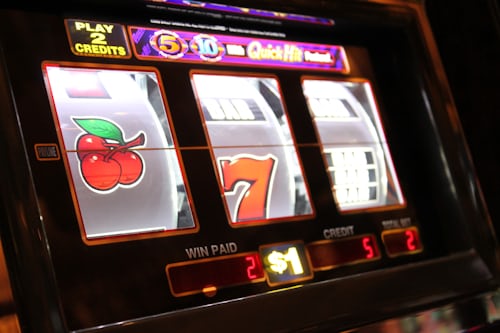
The Industrial Revolution significantly altered the landscape of gambling, as technological advancements paved the way for new forms of play. The introduction of mechanical slot machines in the late 19th century revolutionized gambling. These machines, which offered a simple yet thrilling experience, quickly gained popularity in bars and saloons, attracting a diverse range of players eager to take their chances at winning.
The early 20th century saw the legalization and regulation of gambling in various regions, particularly in the United States. States like Nevada capitalized on the growing interest by establishing large casino complexes, which became hubs for entertainment and leisure. Las Vegas emerged as the epitome of this trend, showcasing extravagant shows and high-stakes gambling, and drawing millions of visitors seeking their fortunes.
Moreover, the invention of the Internet in the late 20th century brought about a seismic shift in the gambling industry. Online casinos emerged, allowing players to engage in their favorite games from the comfort of their homes. The introduction of virtual poker rooms and sports betting websites democratized gambling, opening it up to a global audience and transforming the way people interacted with risk and reward.
The Psychological Aspects of Gambling
The evolution of gambling is not solely based on societal changes; it also encompasses psychological factors that drive individuals to engage in risk-taking behavior. The thrill of chance and the allure of winning large sums of money can stimulate the brain’s reward system, causing an adrenaline rush that many find addictive. Research has shown that engaging in gambling activates similar brain pathways as those affected by substance abuse, highlighting the compelling nature of these games.
Cognitive biases also play a crucial role in gambling behaviors. Players often fall prey to the illusion of control, believing they can influence the outcome of games purely based on skill or strategy. This misconception can lead to excessive gambling and financial difficulties, as individuals misinterpret short-term wins as evidence of long-term success.
To mitigate the risks associated with gambling, understanding the psychological factors at play is essential. Educational initiatives and responsible gambling programs aim to raise awareness about the potential dangers of gambling addiction, emphasizing the need for moderation. By educating individuals about these psychological undercurrents, society can cultivate healthier attitudes toward gambling.
The Impact of Legislation and Regulation
The evolution of gambling has been significantly shaped by legislation and regulation. Governments around the world have struggled with the dual nature of gambling as both a source of revenue and a potential social problem. As public attitudes towards gambling shifted, many regions began to embrace legalized gaming, introducing frameworks to ensure fair play and consumer protection.
For example, the introduction of the Gambling Act in the UK in 2005 provided a regulatory framework that aimed to protect the public and prevent gambling-related harm. By establishing licensing requirements and guidelines for operators, the act sought to ensure that gambling activities were conducted fairly and transparently. This was a pivotal moment in the shift towards responsible gambling practices, as it underscored the need for safeguards in an evolving industry.
However, the landscape of gambling regulation continues to evolve, especially with the emergence of online platforms. The challenge lies in ensuring that regulations keep pace with technological advancements, and that they adapt to the changing needs of society. The rise of mobile gambling, for instance, necessitates ongoing adjustments to regulations to protect vulnerable populations while still allowing for entertainment and economic growth.

Embracing the Future of Gambling
The gambling industry is poised for continuous evolution, influenced by technological advancements and changing consumer preferences. Virtual reality and augmented reality technologies are beginning to transform how players experience games, making them more immersive and engaging. These innovations present exciting opportunities for casinos and online platforms, drawing in a new generation of players who seek unique experiences.
Moreover, the increasing popularity of esports betting and cryptocurrency-based gambling signifies a shift in consumer engagement. As younger demographics become more comfortable with digital transactions and technology, traditional gambling methods may need to adapt to stay relevant. Operators must be prepared to offer innovative options that resonate with modern players while ensuring robust security measures to protect users.
Ultimately, the future of gambling will depend on the balance between risk and reward. By understanding the historical context and societal shifts that have influenced gambling, stakeholders can make informed decisions that enhance player experiences while promoting responsible gambling practices. Embracing this dual focus will ensure that the industry continues to thrive in a rapidly changing world.
